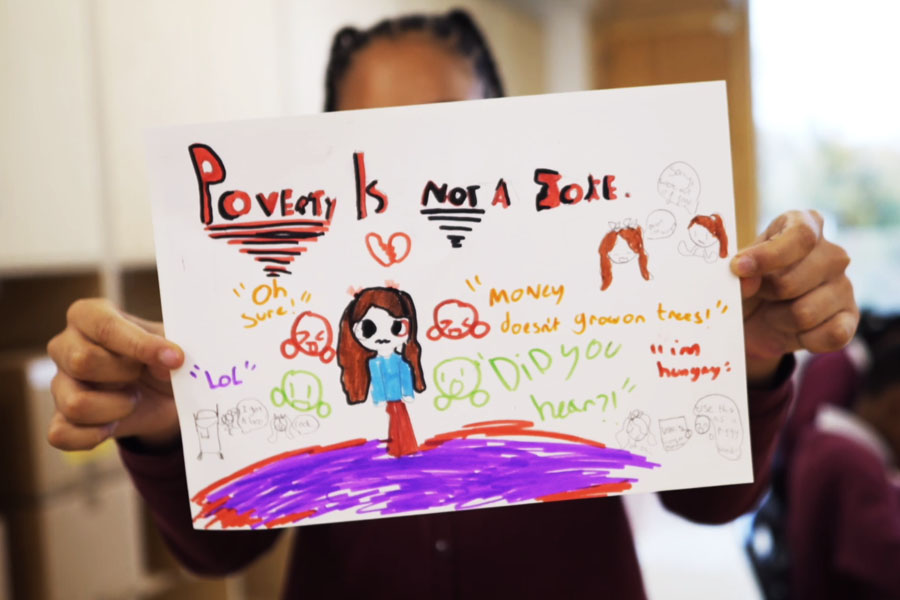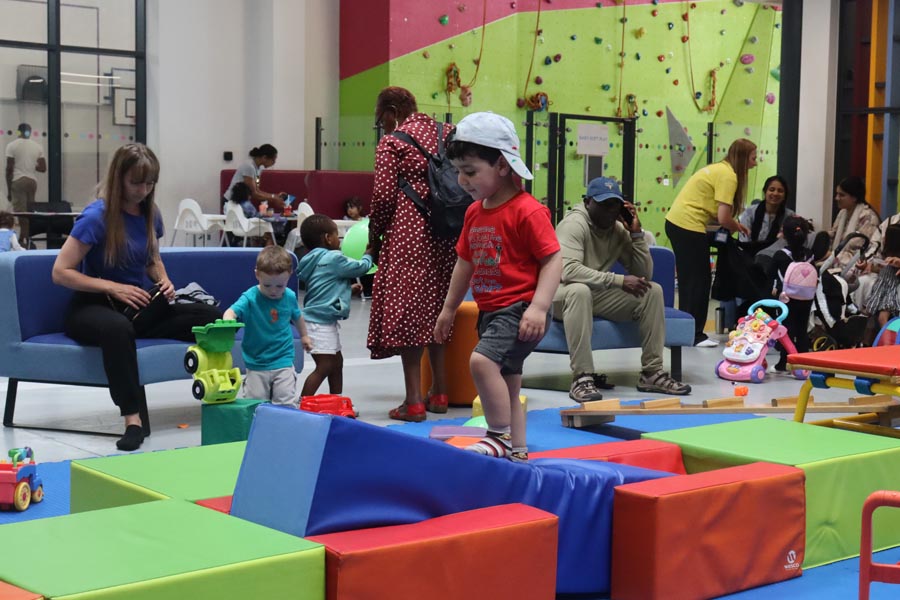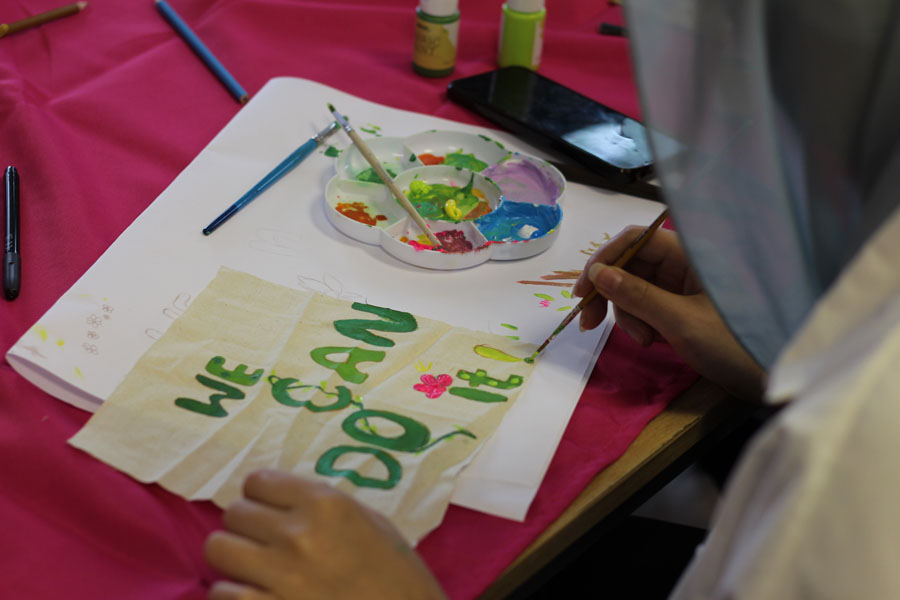
Over four million children in the UK live in poverty. Between now and 2036, I want to help tackle this unacceptable inequality.
I come from a family business background, and my late uncle, who was the chairman, felt very strongly that we owed something to the communities where we worked. These communities were vital to us, not just commercially, but because we depended on them and wanted to see them thrive. That belief — that wealth had a duty to look after its community — is where this all started.
Another key moment came when my father passed away in 2013. He had written, in his own hand, a short note outlining his wish to create the Charles Gordon Foundation to support children in their first thousand days, early years, from pregnancy through early childhood. It was powerful. It made me stop and think: right — this is his vision. What do we do about it?
Why early years specifically? We know from research, from Professor James Heckman, who won the Nobel Prize in Economics, that the best social return on investment comes from early childhood. It’s called the Heckman Equation. That’s a powerful validation of what we’re doing. Success for us would be seeing more children ready for school — socially, emotionally, and cognitively. We believe that’s the best way of breaking cycles of poverty in families.
Why the UK? Working in this space feels very close to home. It’s about our society, our nation, our children. Some philanthropists choose to work overseas, but for me, it’s important to address these deep-seated issues here in the UK. A healthy society can’t be one where a third of children live in poverty.
Why now? During Covid-19, my wife and I decided to put more liquidity into the foundation to really step up our work. Our daughters said, “Dad, you take the lead on this,” and that’s what led to the Ethos Foundation becoming a spend-down foundation, deciding to give all our capital by 2035. We want to make an impact now, not leave it for future generations to decide what to do with. When we made the decision to spend down, it felt liberating. It was like something lifted off my shoulders. It simplified things and gave us clarity.
Ultimately, we want to help society reach a point where giving children the best start in life is seen as a shared responsibility, not just a family’s burden.
Grant, January 2026